EN
RU
中文
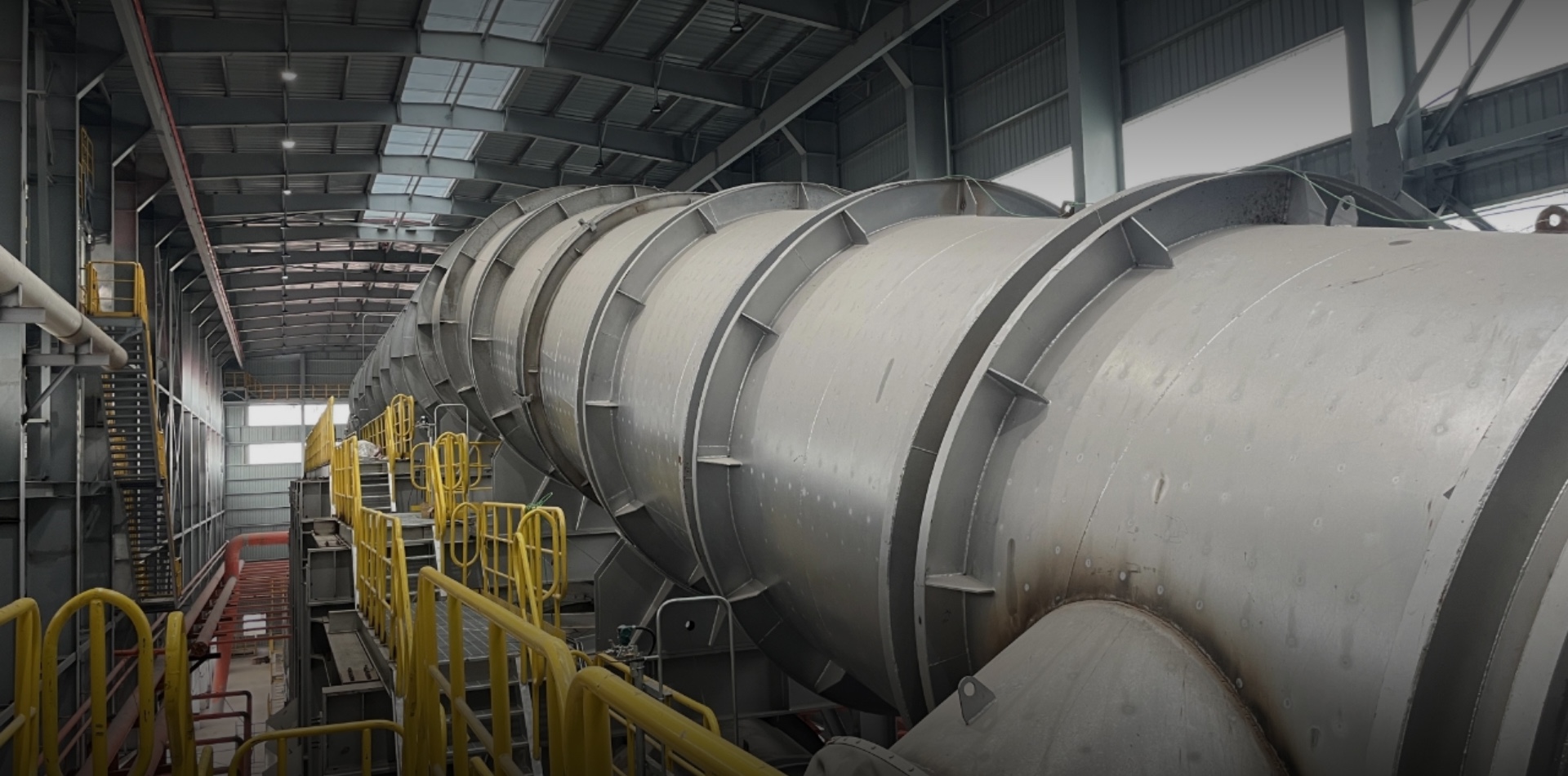


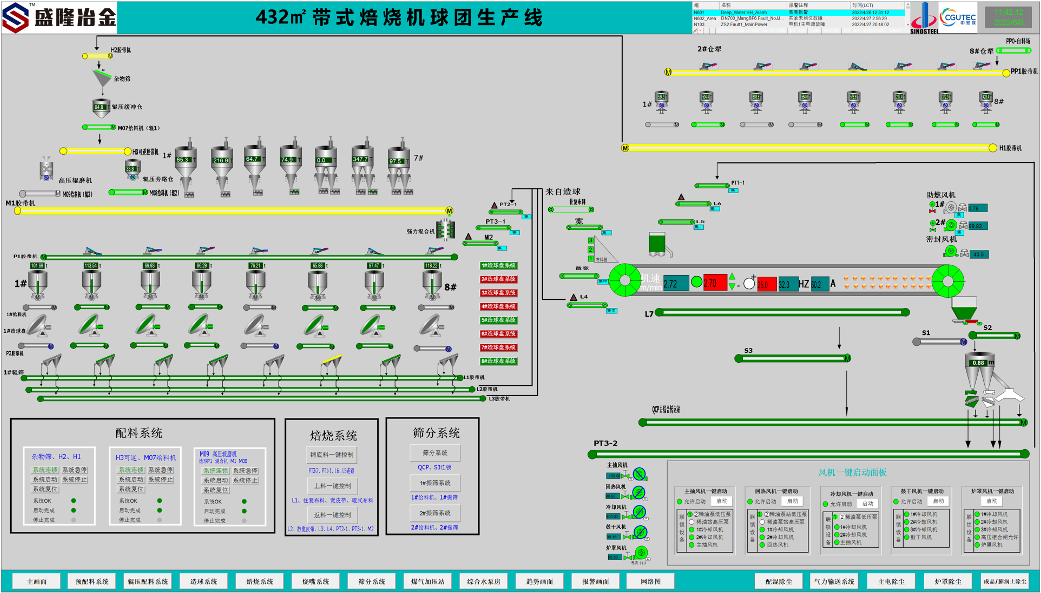
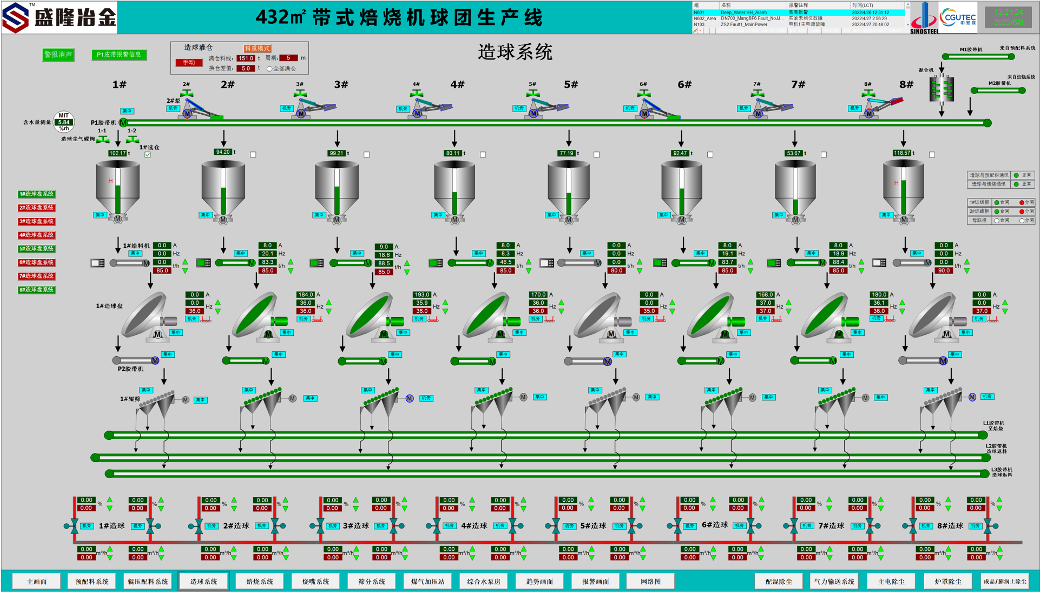
The system automatically searches for silos with low material level for pelletizing silos and finished product silos to realize unmanned automatic silo filling. For intermediate silos such as bedding material silos and mixed material silos, automatic level balance control is realized without interfering with normal production.

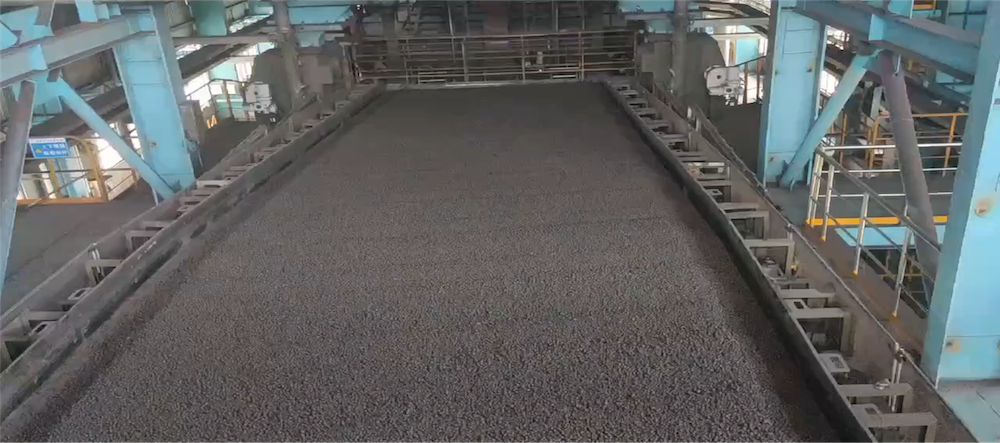
According to output fluctuation and material flow variation, the speed and edge clearance of distribution equipment adjust adaptively to guarantee uniform material spreading.

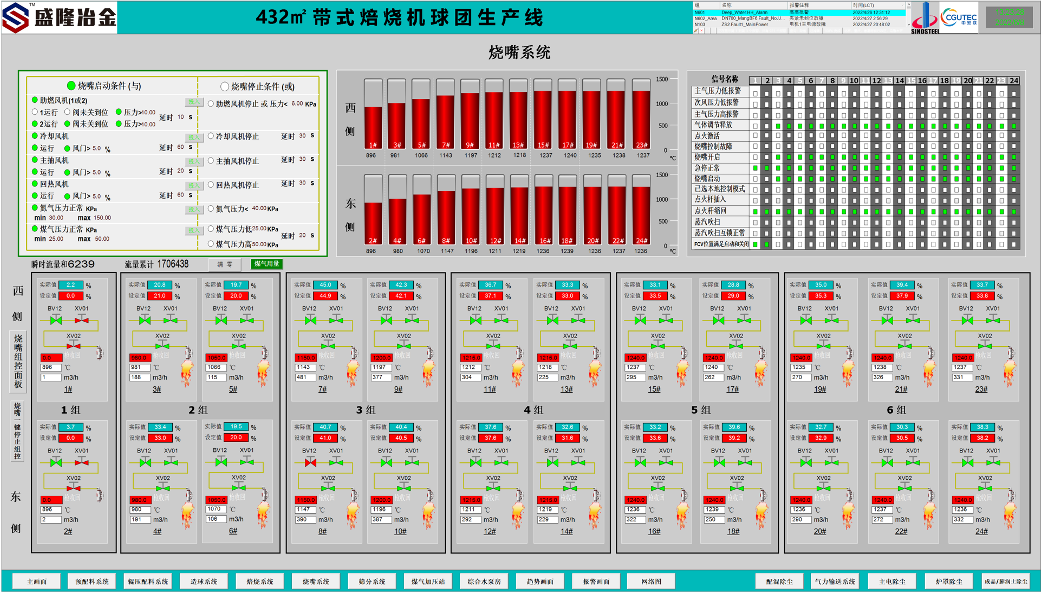
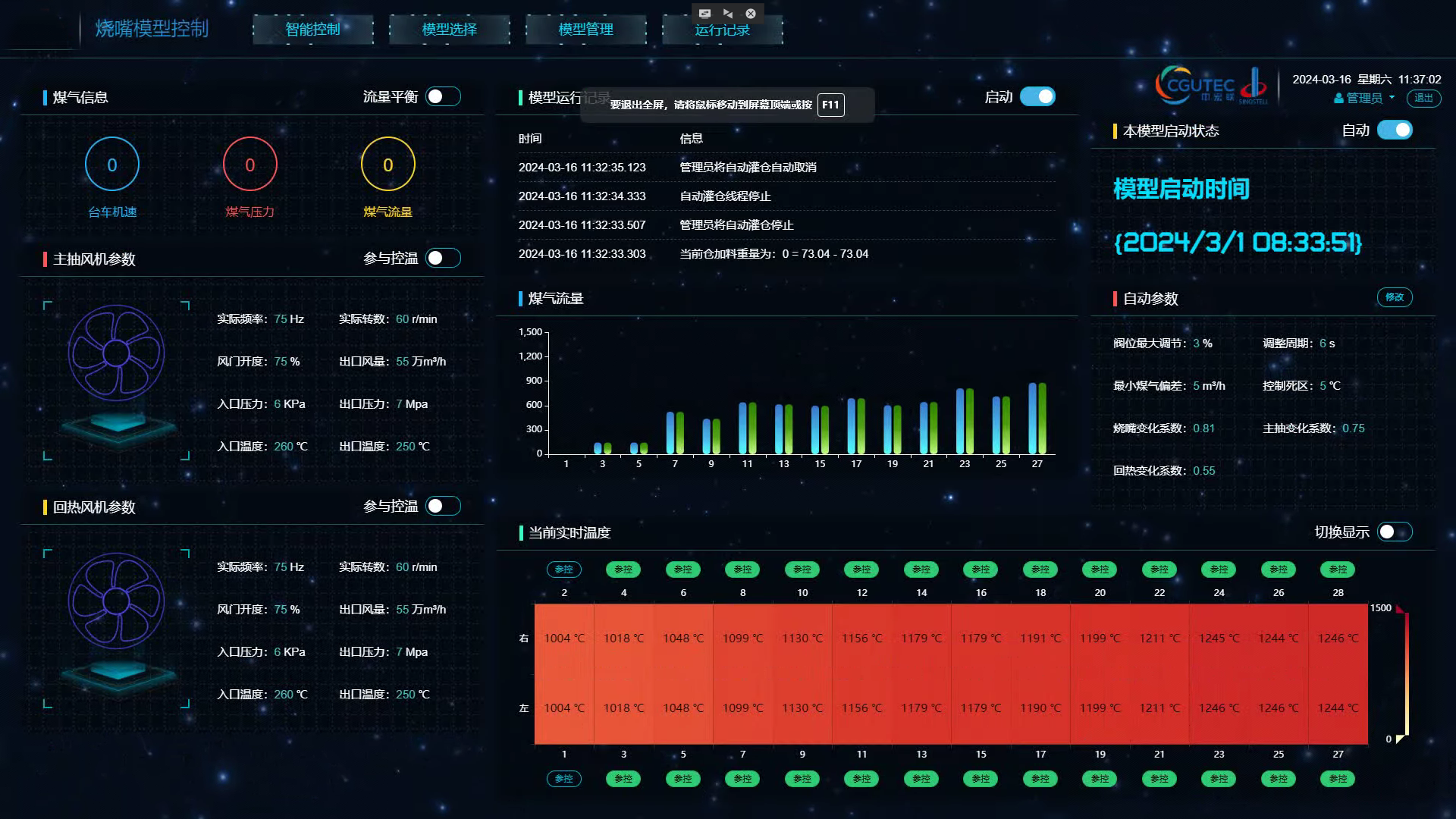
When production parameters (gas pressure, calorific value, green pellet mass, moisture content, fan air volume, etc.) fluctuate, gas supply to burners adjusts rapidly to maintain precise temperature and balance gas flow among all combustion chambers.

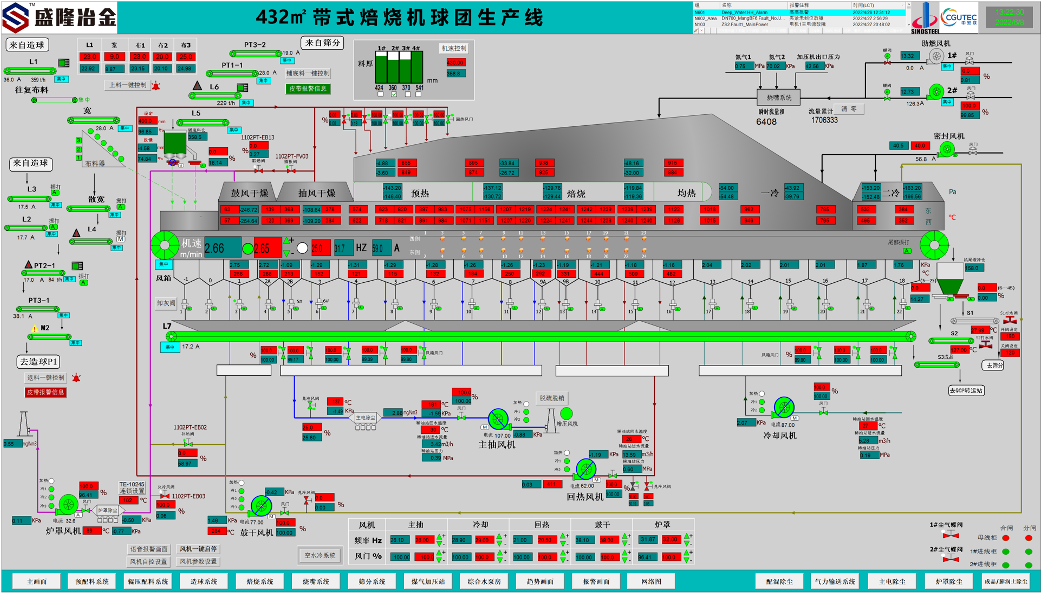
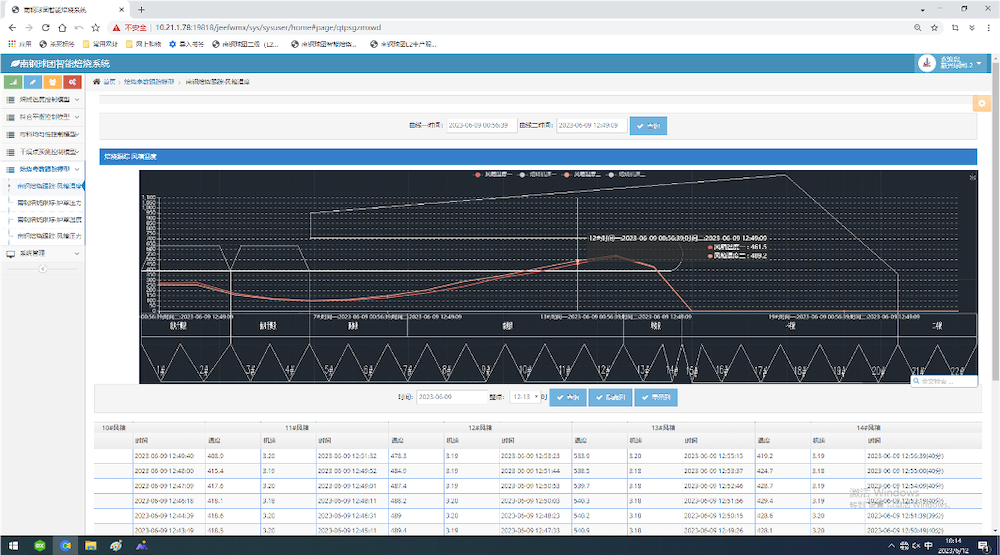
Track process parameters (furnace hood temperature & pressure, wind box temperature & pressure, etc.) throughout the whole process from feeding green pellets into the traveling grate to discharging indurated pellets, providing critical data for production quality analysis.

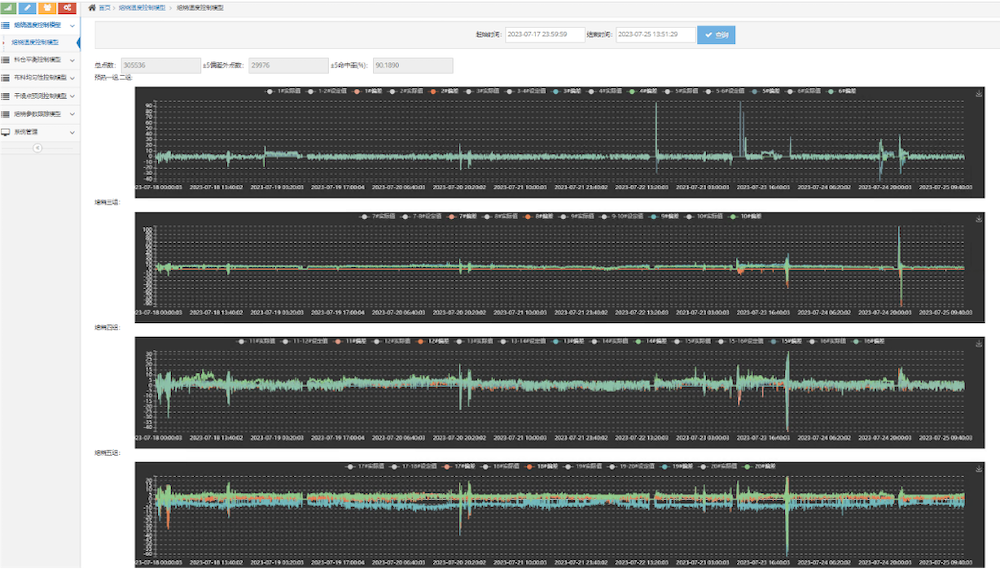
Based on humidity measurement in wind boxes and thermal balance model, the system predicts the position of the drying front of green pellets. Drying parameters (air volume and temperature for forced drying) are regulated according to process requirements to stabilize the position of drying zone.
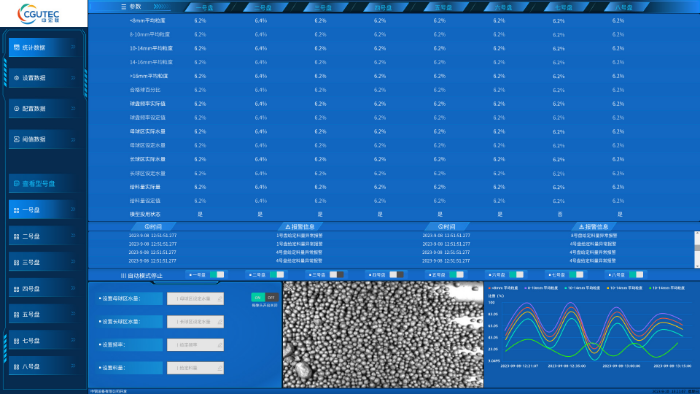
Automatic Pelletizing Scene
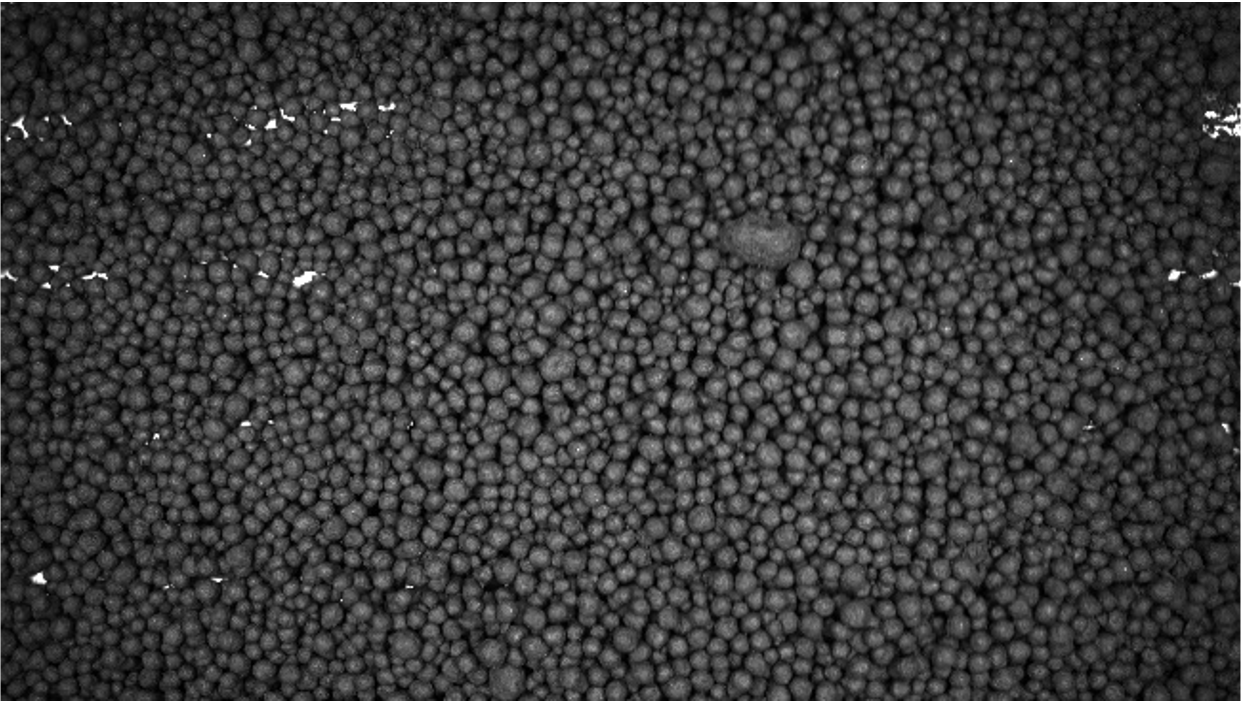
Green Pellet Image
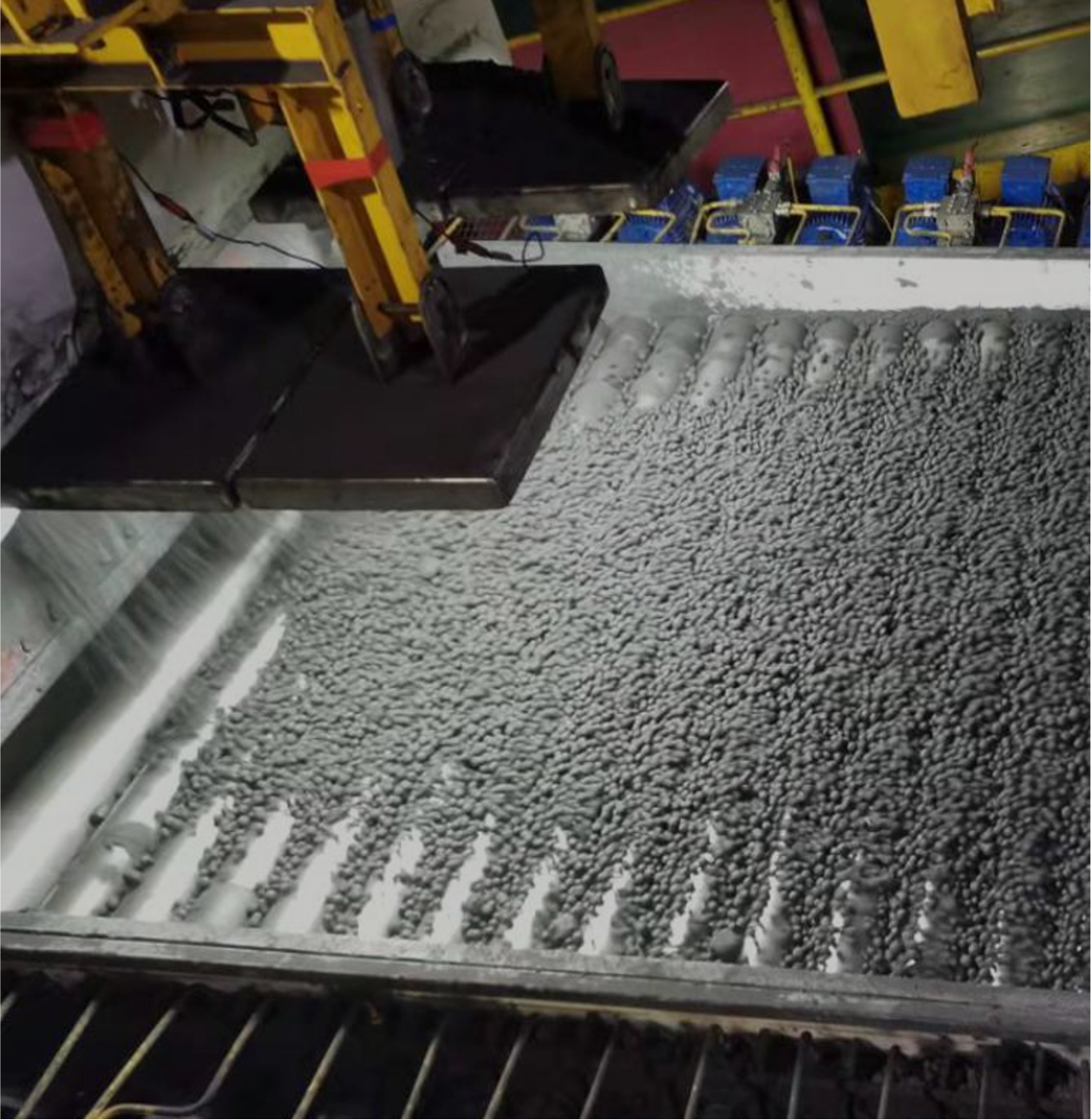
On-site View of Automatic Pelletizing
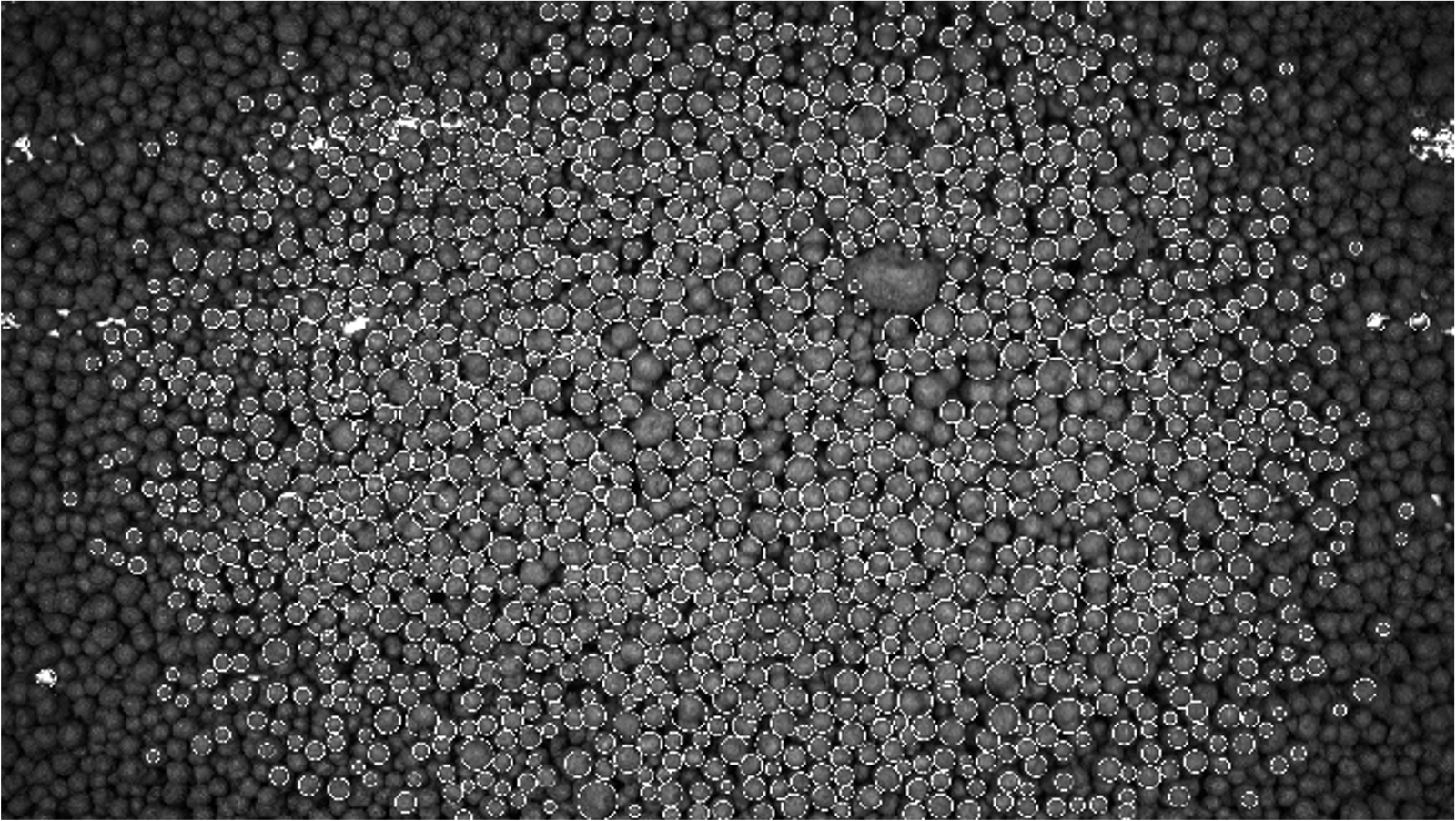
Particle Size Analysis
The intelligent pelletizing model adopts machine vision, digital image processing technology and data acquisition together with self-learning algorithms. It performs real-time online detection of green pellet particle size from disc pelletizers and continuously obtains particle size data. Integrated with L1 automatic control system of disc pelletizer, the model automatically adjusts water addition, rotating speed and feeding rate to realize automated, low-labor pelletizing operation.
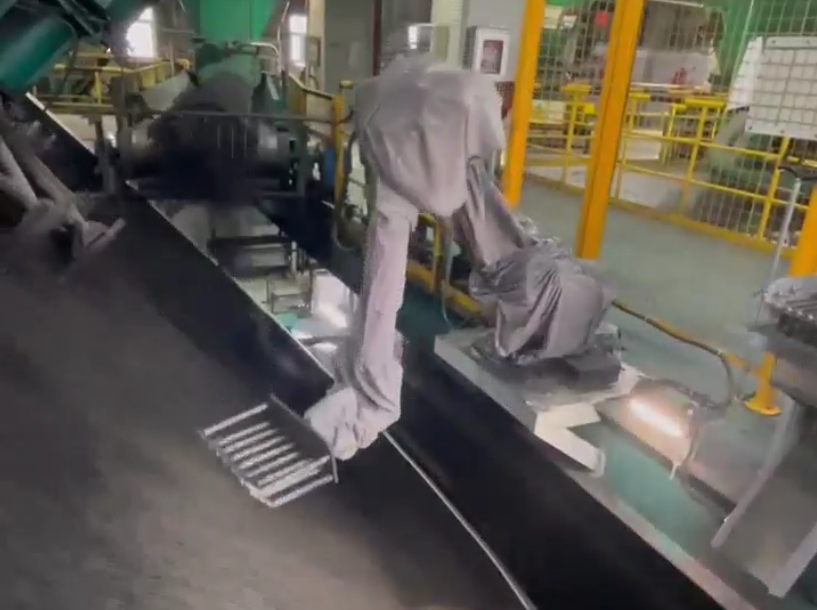
The automatic oversized pellet crushing robot is installed in the rolling zone of oversized pellets inside the disc pelletizer. Using machine vision, digital image processing, data acquisition and optimization algorithms, it conducts real-time online detection of the quantity and diameter of oversized pellets. When the quantity or diameter exceeds set thresholds, the crushing device activates to automatically break oversized pellets and stops after completion. The equipment improves pelletizing efficiency and stability and realizes unmanned treatment of oversized pellets.
The robot effectively crushes oversized pellets inside the disc pelletizer, reduces damage to qualified green pellets and raises the qualification rate of green pellets.
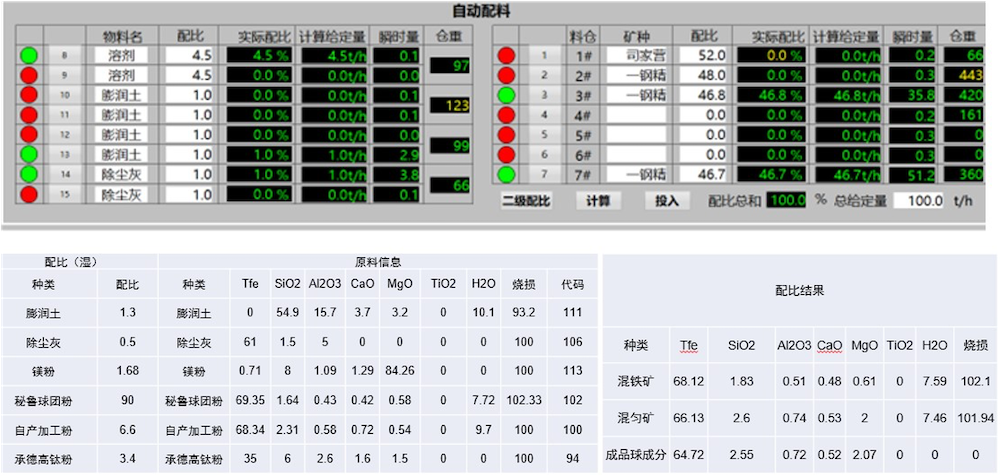
The batching calculation model calculates the feeding quantity of each material according to production formula and set throughput. Corresponding silos and distribution coefficients are selected based on material types, the discharging weight of each silo is calculated to control actual feed rate.
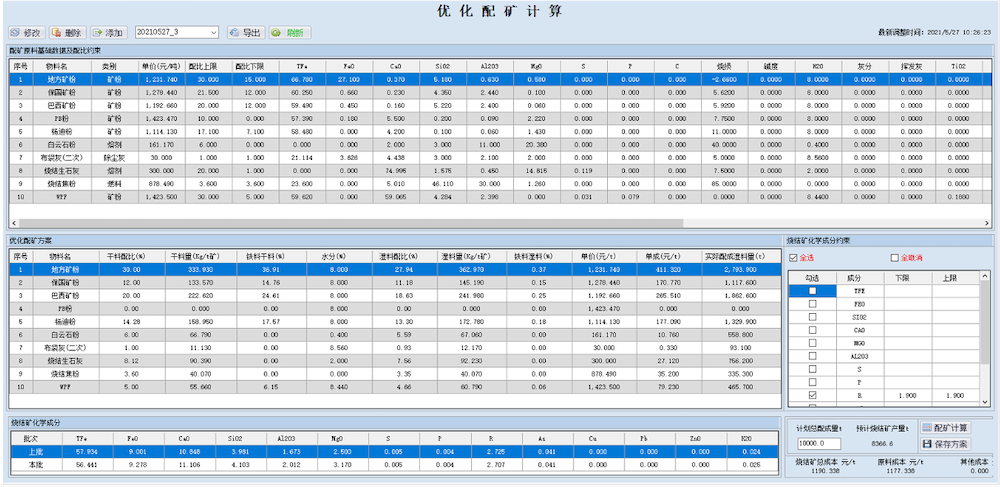
The optimized batching model automatically collects raw material composition, physical & chemical properties and prices. With target ranges of mixture composition and raw material quality defined, the model calculates the cost-optimal proportion that meets target mixture composition requirements.
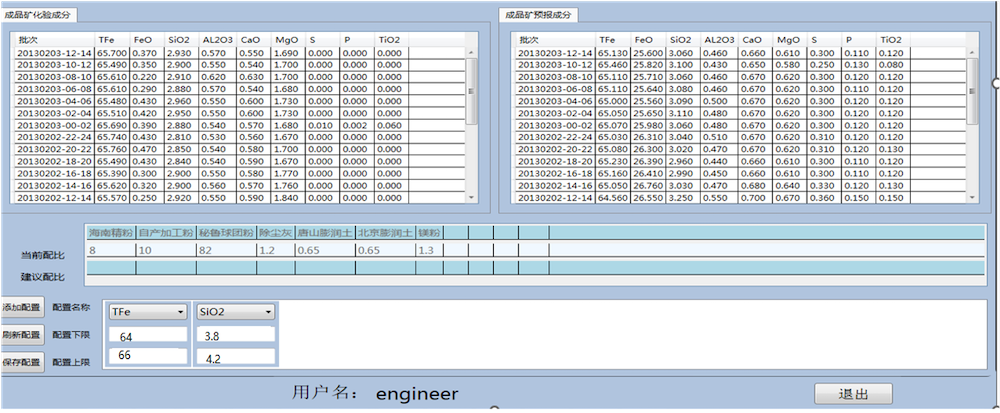
In case of significant fluctuation of finished pellet composition (TFe, Si), the model automatically adjusts raw material proportion following control strategies to bring actual chemical composition to target values.
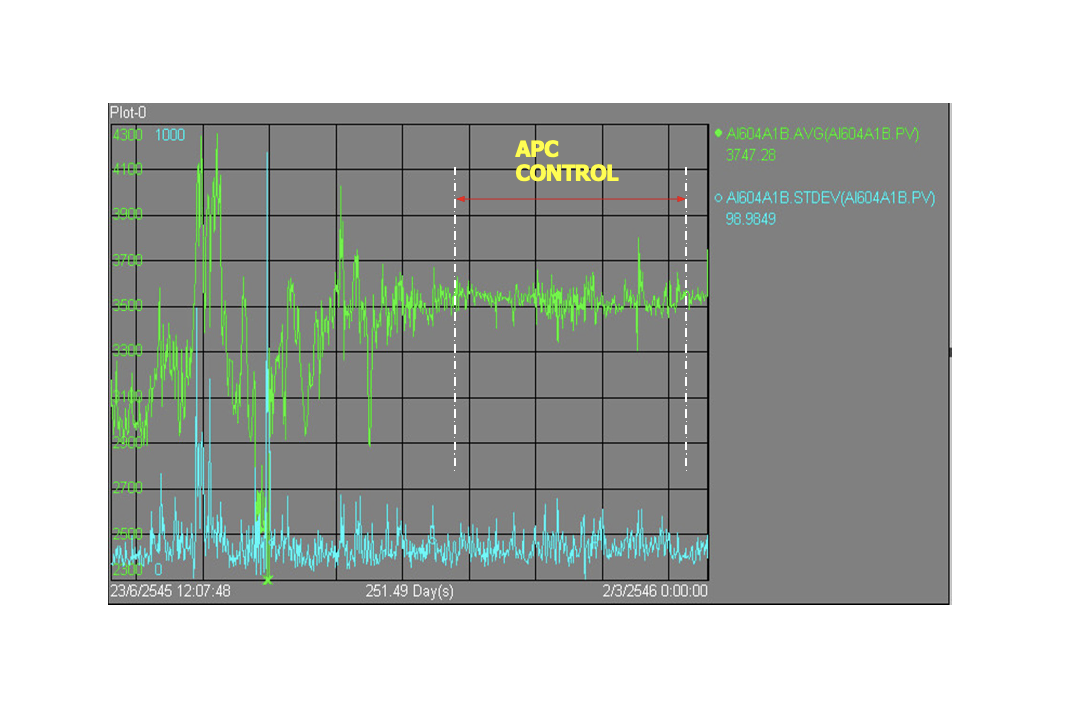
APC (Advanced Process Control) is a prediction-based advanced control and optimization system. Built upon traditional PID control systems, it integrates measured control variables, calculated control variables and system disturbance variables to realize accurate system identification and multi-variable algorithm modeling, resolving the defects of unstable and imprecise control in conventional systems. Supported by big-data-based soft sensing technology, data mining of historical and real-time data and process expertise, important variables that are difficult or impossible to measure directly can be calculated via regression modeling using other measurable field variables. Software replaces hardware measurement functions to achieve stable process control.
With expanding scale and rising complexity of industrial production, stricter tolerance is required for fluctuations of key quality indicators and process variables. Conventional PID control can no longer satisfy production demands. Adopting advanced control theories and methodologies centered on system identification and model calculation, APC takes plant control and management networks as information carriers. It upgrades conventional PID control to multi-variable model predictive control with second/minute-level response, reduces standard deviation of controlled parameters, stabilizes operation of traveling grate induration machines, increases output and cuts energy consumption.
Copyright © China Grand Union Technology Co.,Ltd.(CGUTEC) All Rights Reserved. 京ICP备2021005877号-1