EN
RU
中文
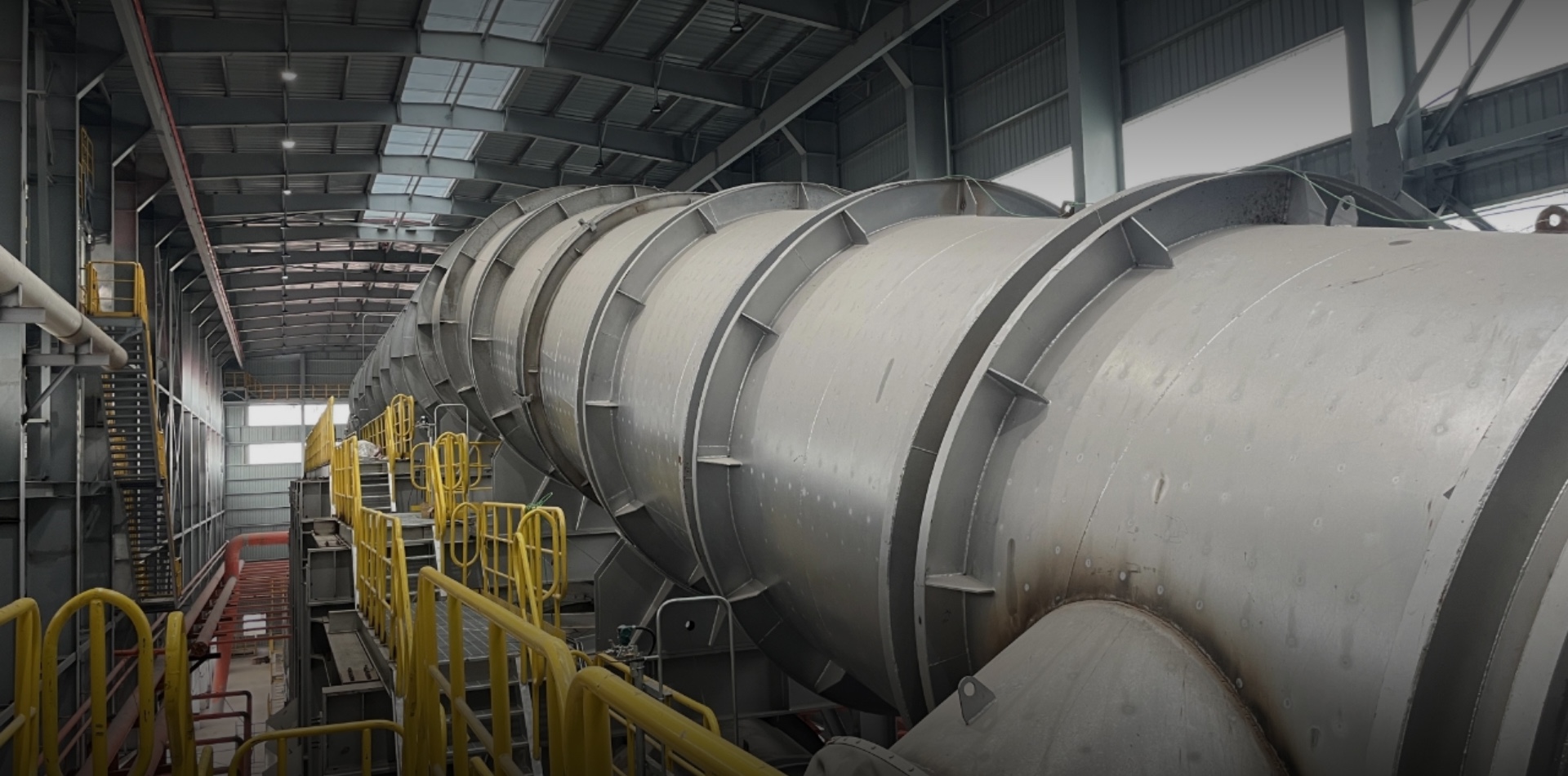

To promote the green, intelligent and efficient development of pelletizing technology and achieve key technological breakthroughs in the whole pellet production process, Zhonghonglian has established a Pellet Technology R&D Center. Serving as a bridge linking fundamental research, process innovation and industrial application, the center supports high-quality development of iron & steel, non-ferrous metallurgy, mining and metallurgical industries.
The R&D center investigates the roasting mechanism of various iron concentrates and optimizes pellet roasting processes to further cut production energy consumption and flue gas emissions. Drawing on pellet roasting technologies for iron concentrates, it explores treatment methods and process regimes for different solid wastes.
The R&D center consists of two parts: a multi-functional simulation production line and a pilot production line with separate research tasks. The simulation line focuses on physical and chemical properties of iron concentrates (magnetite, hematite, limonite, vanadium-titanium magnetite) and product roasting mechanisms. The pilot line acquires accurate key parameters including temperature, pressure, flue gas flow and composition in each furnace section, provides valid parameter ranges for engineering design, and realizes seamless transformation from laboratory research to industrial application.
The core value of the R&D center lies in tackling industry bottlenecks via technological innovation, driving the transformation of pelletizing processes from experience-oriented to data-driven and green-driven modes. It aims to become a source of pellet technology advancement and an enabler for industrial upgrading.
The R&D center was completed and commissioned in 2023. It enables rapid verification of new technologies and formulas for clients, shortens technology commercialization cycles, and delivers customized technical services including process diagnosis and staff training to partners to accelerate industrialization of research achievements.
The construction of the base complies with national requirements for significantly improving comprehensive utilization capacity of bulk solid wastes such as coal gangue. Targeting resource recovery, full resource utilization and large-scale waste disposal, the base develops key technical routes, processes and equipment, accelerates incubation and transformation of innovations, formulates and improves industrial technical policies, standards and specifications, and delivers solid scientific and technical support for comprehensive treatment and utilization of all types of domestic coal gangue.

Research optimal matching of process parameters including raw material calorific value, product particle size and sintering temperature;

Focus on developing technical routes for special ceramsite (high-strength ceramsite, water-retaining ceramsite, filter ceramsite, colored ceramsite, lightweight ceramsite, etc.);

Develop technologies for full recovery and utilization of calorific value contained in coal gangue;

Study application performance and optimization of coal gangue gravel and ceramsite when applied in concrete, moisture retention materials, prefabricated blocks and other scenarios.
In the future, the experimental base will introduce high-caliber professionals including masters and doctors, complete supporting hardware and software testing facilities, and develop into a green & low-carbon R&D base led by coal gangue utilization technologies, focusing on coal-based solid waste recycling, energy-saving low-carbon technology development and carbon emission trading. The base will apply for the title of National Engineering Technology Center, grow into a leading and well-known domestic research institute, and contribute to national green ecological high-quality development.

The pot roasting test bench is used to explore process schemes and regimes for coal gangue treatment, study principles and potential applications of new technologies, and carry out verification tests to confirm technical feasibility and reliability.

Based on the process routes and regimes confirmed by the pot roasting bench, the simulation line carries out trial production. It accurately obtains key parameters including temperature, pressure, flue gas flow and composition along furnace sections, further verifies the tested process regimes, provides valid parameter ranges for industrial design and ensures reliable transformation from laboratory research to commercial production.
In the future, the experimental base will introduce high-caliber professionals including masters and doctors, complete supporting hardware and software testing facilities, and develop into a green & low-carbon R&D base led by coal gangue utilization technologies, focusing on coal-based solid waste recycling, energy-saving low-carbon technology development and carbon emission trading. The base will apply for the title of National Engineering Technology Center, grow into a leading and well-known domestic research institute, and contribute to national green ecological high-quality development.
The pot roasting test bench is equipped with devices listed in Table 1. Flexible combination of equipment supports diversified test schemes.
| No. | Equipment Name | Specification | Quantity |
| 1 | Roasting Pot | Inner φ0.3m × 1.44m | 1 |
| 2 | Test Burner | 20m³/h (LPG) | 1 |
| 3 | Ignition Burner | 20m³/h (LPG) | 1 |
| 4 | Electric Heater | 220kW | 1 |
| 5 | Combustion-supporting Fan | Q=1000Nm³/h,P=5kPa, ambient temperature | 1 |
| 6 | Cooling Fan | Q=1700m³/h,P=8kPa, ambient temperature | 1 |
| 7 | Main Induced Draft Fan | Q=1700m³/h,P=8kPa, ambient temperature | 1 |
| 8 | Moisture Tester, Cylinder Compressive Strength Tester, Calorimeter | 1 set each |
01Simulate the full technological process of materials from ambient temperature: drying, preheating, roasting, soaking, rapid cooling and slow cooling;
02Convert spatial roasting variation of green pellets in industrial production into time-based control by adjusting air volume and air temperature. Determine optimal roasting regimes including roasting time, temperature and fuel consumption to guide industrial design;
03Multi-functional bench supporting tests for multiple materials: coal gangue gravel, coal gangue ceramsite and other solid wastes.
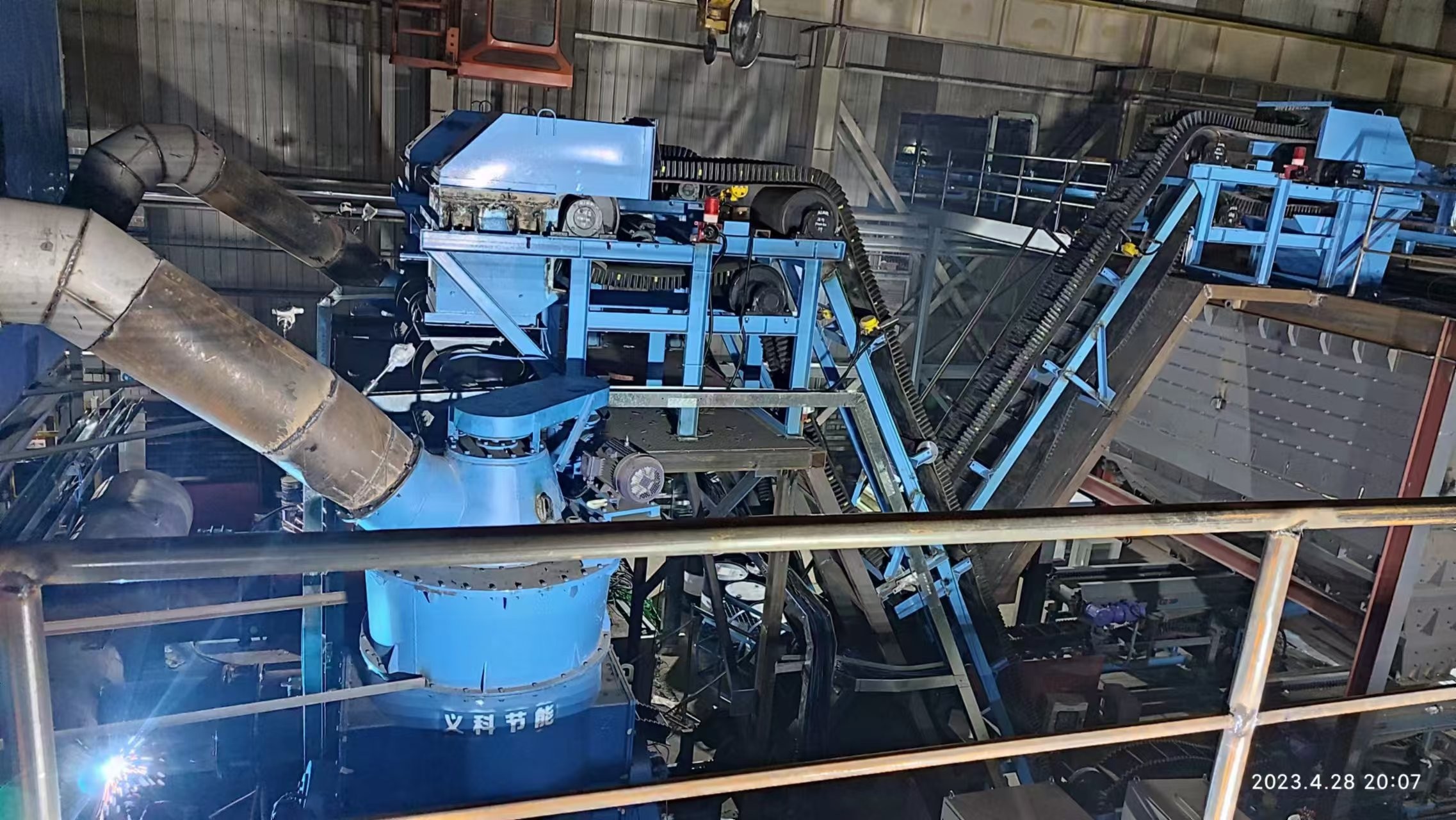
Function of simulation production line: further verify process regimes obtained from test bench and provide technical support for large-scale industrial production.

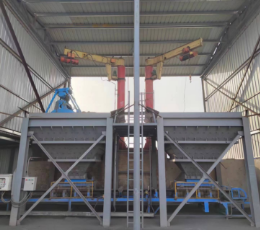
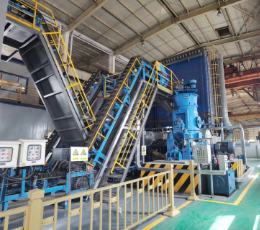
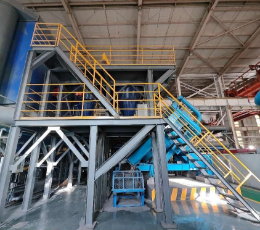
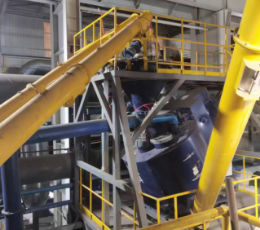
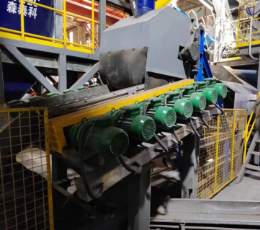
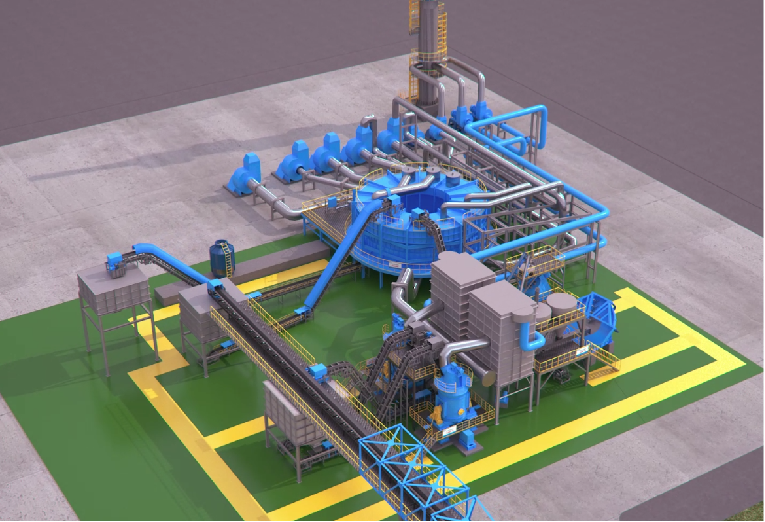
Occupies an area of 80m × 50m; consists of raw material grinding system, mixing system, pelletizing system, roasting system, hot air circulation system, finished product system, automatic control system, desulfurization & denitrification system. Annual coal gangue treatment capacity ranges from 30,000 to 50,000 tons depending on target products.

Raw materials with particle size 50–100mm are crushed by hammer crusher, fed into vertical mill from raw material silos to reach target fineness, then sent to mixing, pelletizing and screening before entering the roasting system.

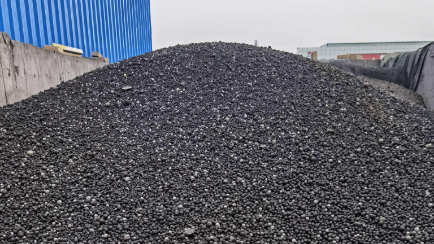
Screened feed passes through drying, preheating, roasting, soaking and cooling sections inside the roasting system, then discharged to finished silos. Products can be transported by trucks to open stockyards.

Flexible for carrying out process tests for various products.
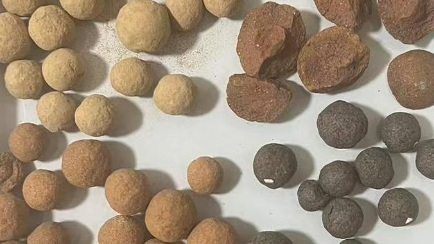
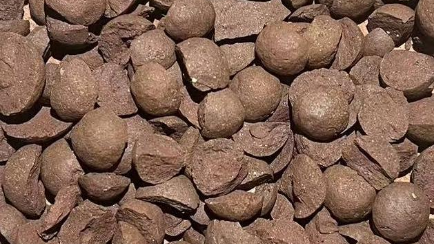
Within half a year after commissioning, the experimental base carried out research on processes for producing water-retaining ceramsite and high-strength ceramsite using coal gangue with different calorific values. A total of 156 tests were completed on the pot roasting bench and 3 trial production campaigns were performed on the simulation line, achieving breakthroughs in key technologies.
Copyright © China Grand Union Technology Co.,Ltd.(CGUTEC) All Rights Reserved. 京ICP备2021005877号-1